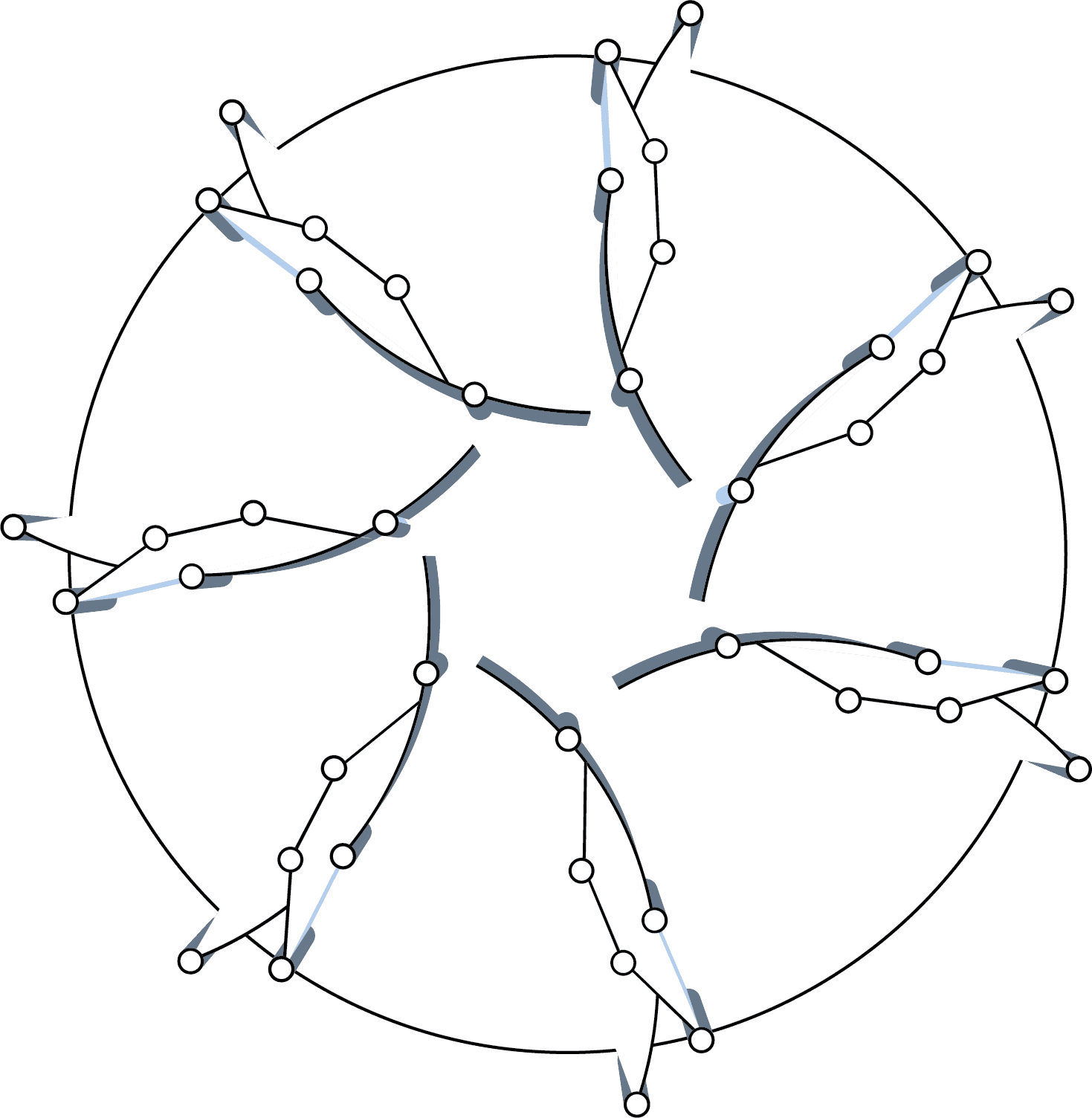

Campaigns are events. Systems are memory.
A campaign can be useful. It gives a team a deadline, a message, a channel plan, and a reason to publish. The problem begins when the campaign becomes the whole marketing model. Launch, report, archive, repeat. Each cycle creates activity, but not necessarily organizational memory. The next idea starts from mood, urgency, or habit instead of from what the business has learned.
A marketing system works differently. It treats attention as something that must be routed, not merely captured. It connects the promise, the audience, the content, the landing path, the measurement plan, the sales handoff, the CRM record, and the review cycle. The result is less theatrical than a launch calendar, but more useful. It gives the business a repeatable way to learn which messages attract the right people and which paths move them toward a serious decision.
The useful unit is not the campaign launch. It is the loop from source to signal to handoff to learning.

Attention needs somewhere to go
Campaign thinking often overvalues the first touch. The post, ad, email, event, or announcement becomes the object of attention. System thinking asks what happens next. Does the visitor land on a page that explains the offer clearly? Is the call to action matched to their level of readiness? Is the form connected to a follow-up process? Does the team know which inquiry came from which promise?
This is where measurement becomes structural. Google Analytics explains attribution as assigning credit for important user actions to different ads, clicks, and factors along a user's path. It also describes attribution models as rules or data-driven algorithms for assigning credit to touchpoints. That language matters because it makes marketing less like a single performance and more like a path with multiple signals. A system is designed so those signals can be read.
Naming is infrastructure
Many marketing problems are not creative problems. They are naming problems. A team cannot compare channels, content, or offers if every link is tagged differently, every campaign name follows a new convention, and every report requires manual interpretation. Google Analytics' URL builder documentation recommends standardized UTM strategy across marketing efforts and warns that inconsistent naming can fragment reporting. That is not a small analytics detail. It is the difference between reusable learning and scattered evidence.
Good systems make naming boring on purpose. Source, medium, campaign, content, offer, audience, and conversion language should be consistent enough that a report can be understood without an archaeological dig. The discipline is not there to please a dashboard. It is there so the business can tell whether a pattern is real.
Content should compound
A campaign asks what the team can say this month. A content system asks what the organization should be known for over time. That means turning ideas into reusable assets: service pages, articles, landing pages, proof points, email sequences, sales notes, FAQs, and internal decision records. Each piece should strengthen a larger argument instead of disappearing after a launch window closes.
Google Search Central's guidance on helpful content is useful here because it pushes against content made only to attract search visits. It recommends people-first content and asks whether an intended audience would find the material useful, whether it demonstrates depth of knowledge, and whether a reader leaves feeling they learned enough to achieve a goal. A marketing system should apply the same standard internally: does this asset make a real buyer, partner, or stakeholder better informed?
The handoff is part of marketing
Marketing does not end when someone fills out a form. If the inquiry disappears into an inbox, waits without context, or reaches sales without source history, the system has leaked. Salesforce defines CRM as a system that helps businesses manage interactions with customers and prospects to improve relationships, streamline processes, and drive growth. It also describes CRM tools as a way to unify customer and company data from many sources across the customer lifecycle.
For a growing business, that means the CRM is not merely a sales tool. It is part of the marketing system's memory. Which promise created the inquiry? Which page did the person read? Which service did they ask about? What was promised in the campaign? What question came up during the first conversation? If that context is retained, marketing can improve the next asset and sales can respond with more precision.
Measurement still needs judgment
A system is not a machine that removes judgment. It is a structure that gives judgment better evidence. Attribution models, UTM conventions, recommended analytics events, CRM stages, and campaign reports are all useful, but none of them can decide strategy alone. They show patterns that still need interpretation.
Google Analytics recommends specific events for lead generation, including lead submission, lead qualification, disqualification, working lead, converted lead, and unconverted lead. That sequence is a reminder that serious marketing is not measured only at the top of the funnel. It is measured through the quality of handoff and the movement of real opportunities. A weak campaign may generate plenty of attention and very little fit. A strong system helps the team see the difference.
The system is the advantage
Campaigns still have a place. They create focus, urgency, and cultural rhythm. But campaigns work best when they sit inside a system that already knows how to publish, route, measure, hand off, and learn.
The business case is practical. A system reduces reinvention. It makes reports comparable. It helps content compound. It gives sales better context. It exposes weak offers sooner. It turns marketing from a series of announcements into an operating capability. That is why marketing systems beat marketing campaigns: not because they are louder, but because they keep getting smarter.
References
- Get started with attributionGoogle Analytics Help · Accessed 2026-07-11
- URL builders: Collect campaign data with custom URLsGoogle Analytics Help · Accessed 2026-07-11
- [GA4] Recommended eventsGoogle Analytics Help · Accessed 2026-07-11
- Creating helpful, reliable, people-first contentGoogle Search Central · Accessed 2026-07-11
- What Is CRM (Customer Relationship Management)?Salesforce · Accessed 2026-07-11
More perspectives from E2W.Join the list